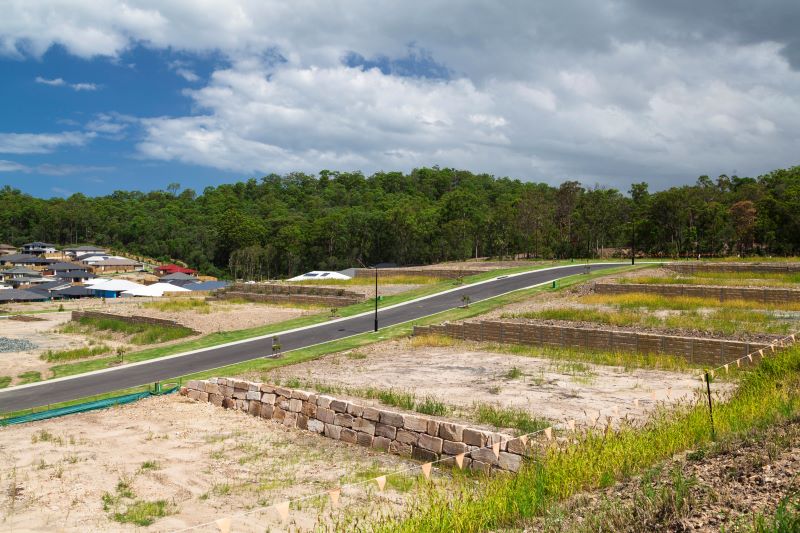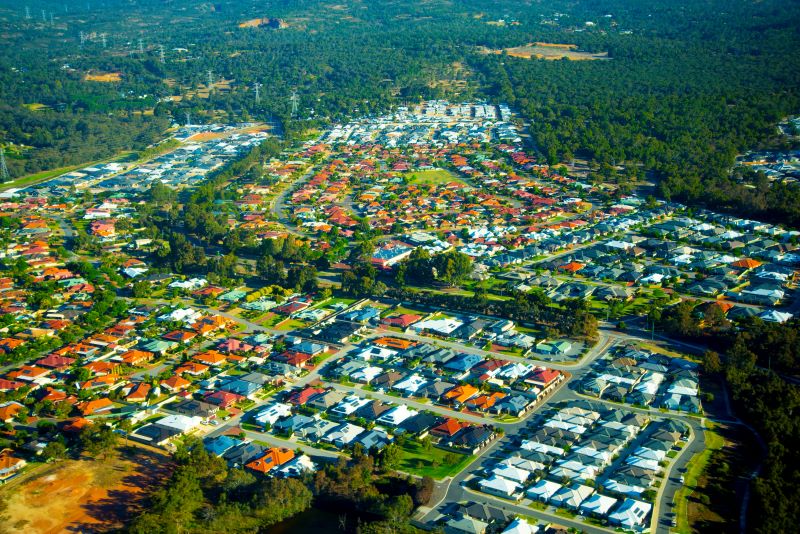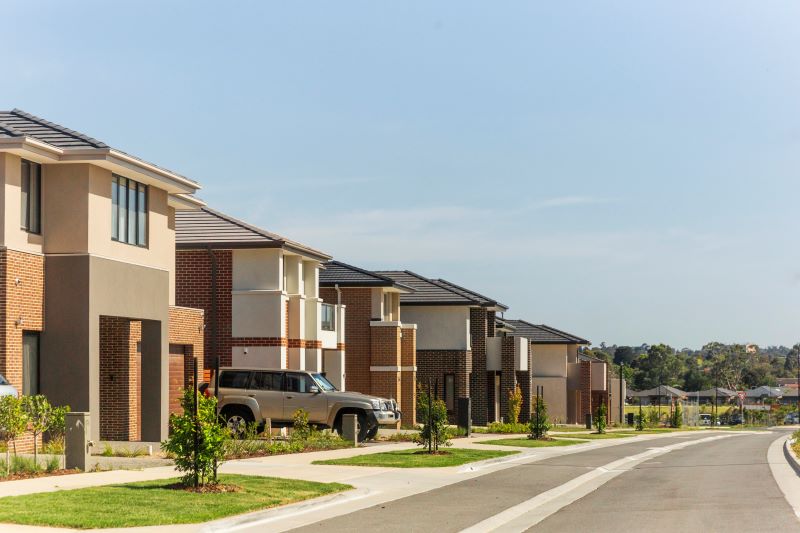
Annual land valuations are legitmising the extreme and unsustainable increases in land value in Australia that are forcing housing prices to increases. What can you do about it? When you receive your State Government land valuation, you can choose to object. By doing this, your are helping to minimise the effect of Government land valuations on the price of land.
Here are some reasons why you should object to your State Government land valuation:
- It is your right under the Land Valuation Act 2010, and helps the valuer-general to improve the reliability of valuations.
- It is your responsibility if you are not happy with your new site value.
- If you are concerned about your children or grandchildren, or any first home buyer’s ability to buy a house, it is your obligation to object for them. Only a landowner can object to their valuation.
- If you are concerned about the impact of the high cost of housing on the Australian economy, you can express that concern through an objection.
- Finally, by reducing your site valuation you may make significant savings off your Council rates.
In 2025 there were approximately 4500 objections to annual valuations, creating a work load that is still being processed. Imagine the impact of 50,000 valid objections and if you are not happy with the result you can then appeal to the Land Court at no cost.
In 2010 it was recognised that Queensland’s land valuation methodology was unsustainable because the government’s costs for making and defending valuations in Court proceedings increased substantially and the current Land Valuation Act 2010 was passed. Now the 2010 Act is unsustainable, and a new act is needed to address ALL government responsibilities for affordable housing.
Once again we need to pressure government into changing the Land Valuation Act.
The State Government is primarily responsible for housing. – Parliament of Australia
Housing is considered a fundamental human right under international law, recognized in the 1948 Universal Declaration of Human Rights and the 1966 Covenant on Economic, Social and Cultural Rights (ICESCR). It implies the right to live somewhere in security, peace, and dignity, focusing on accessibility, affordability, and habitability.
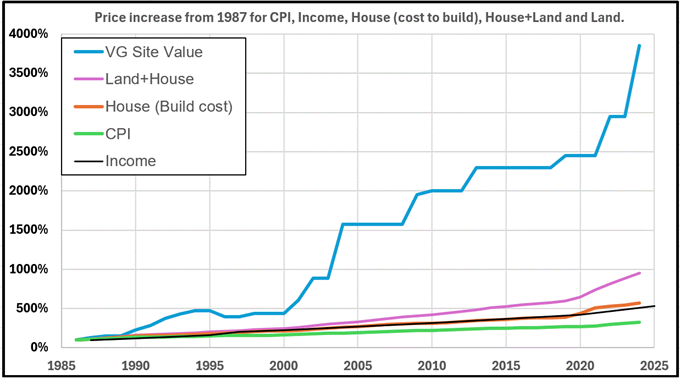
The state government makes annual land valuations based on the market value of unimproved land for the purpose of collecting revenue (rents, rates, taxes etc). These valuations effectively legitimize exorbitant prices in times of low supply/high demand and provide a basis for future decisions on land development and pricing, investment and bank approvals, and market expectations in general. Unlike most commodity markets that rise and fall with supply/demand fluctuations, land valuations almost never fall because they provide a floor under market prices. Over the last 4 decades the increase in land values is 6 times the increase in the cost of building a house.
Housing stress, defined by the 30/40 rule (based on housing costs of at least 30 per cent of income and focusing on households in the bottom 40 per cent of the income distribution adjusted for household size), is an indicator of the number of households at risk of housing affordability problems. A median house price of about $1 million in Brisbane would require an annual loan repayment of about $68,000, 10% more than the gross household income for the lower 40% quintile! The average couple looking for their first home cannot affordably buy an entry-level house in any Australian city.
Clearly there is a huge gap between current house prices and affordable housing. Legislation covering land valuations needs to be changed to set land values that support all government responsibility to ensure housing is affordable.
Objecting to valuations is enshrined in legislation, is historically effective, and necessary for the valuation process to operate fairly. Everyone who believes there is a housing affordability crisis should follow the process outlined in their Annual Land Valuation Notice (due by the end of March) and object, because land valuations favour investors, have little impact on owner-occupiers and are unfair to everyone else.